Springfield Sewer Pros
CIPP Pipe Lining in Springfield, OH
CIPP pipe lining in Springfield seals cracked clay and cast iron laterals from the inside, no-dig, free estimates.
- 15+ Years local experience
- 500+ Projects completed
- Licensed & Insured
Serving Springfield and nearby communities.
CIPP pipe lining means cured-in-place pipe: a resin-saturated liner goes into the existing line, inflates against the walls, and cures into a new pipe inside the old one. No trench, no yard torn up.
It's a strong fit for Springfield's aging clay laterals, where the pipe shape is often still intact even if the joints have cracked or roots have gotten in. Springfield Sewer Pros runs a camera pass first to confirm lining is the right call before committing to it.
What's included
What's included with CIPP Pipe Lining
- Typically included — pre-lining camera inspection, pipe cleaning, liner saturation and insertion, cure time, and a final camera check.
- Typically included — end-seal finishing where the liner meets existing fittings.
- Optional — root cutting prior to lining if roots are already present in the line.
- Customer prep — avoid running water through the line for a few hours while the liner cures.
Want a clearer scope?
Get a Free EstimateHow it works
How our CIPP Pipe Lining process works
 Step 1
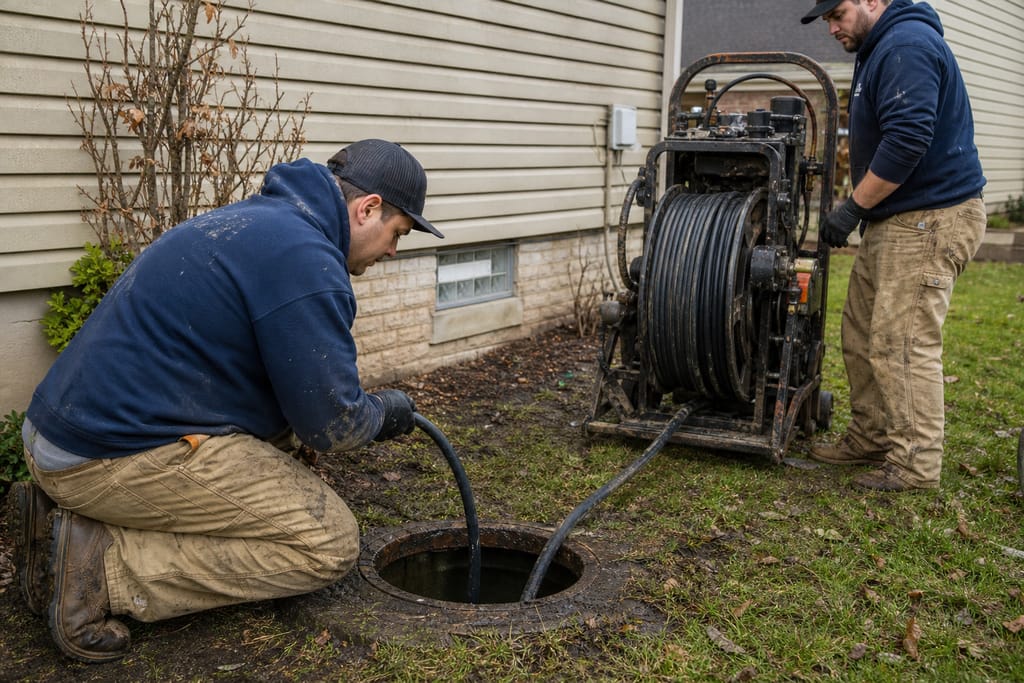
Pipe Cleaning
The existing pipe is thoroughly cleaned to remove debris and prepare the surface for lining.
 Step 2
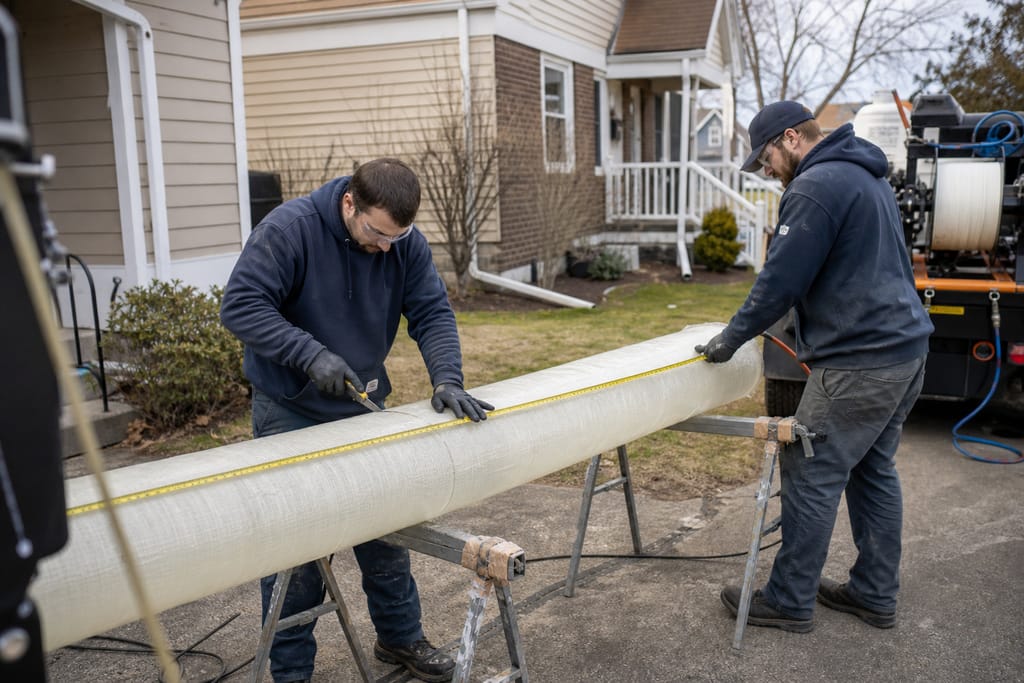
Liner Measurement
Precise measurements ensure the liner fits the exact length and diameter of the pipe.
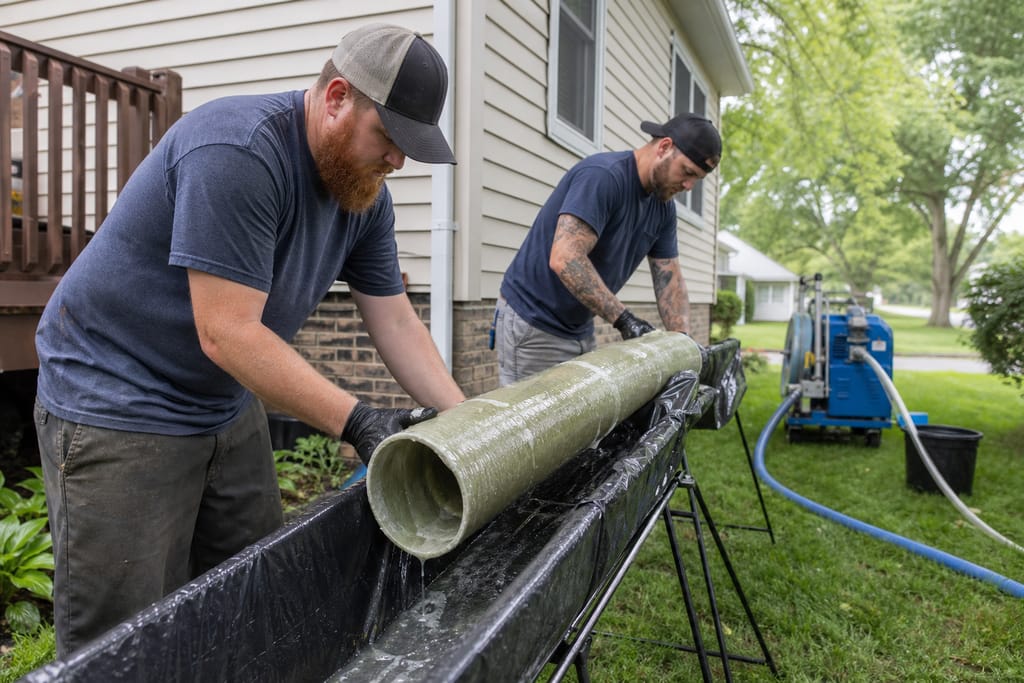 Step 3
Resin Saturation
The liner is saturated with resin to prepare it for insertion and curing.
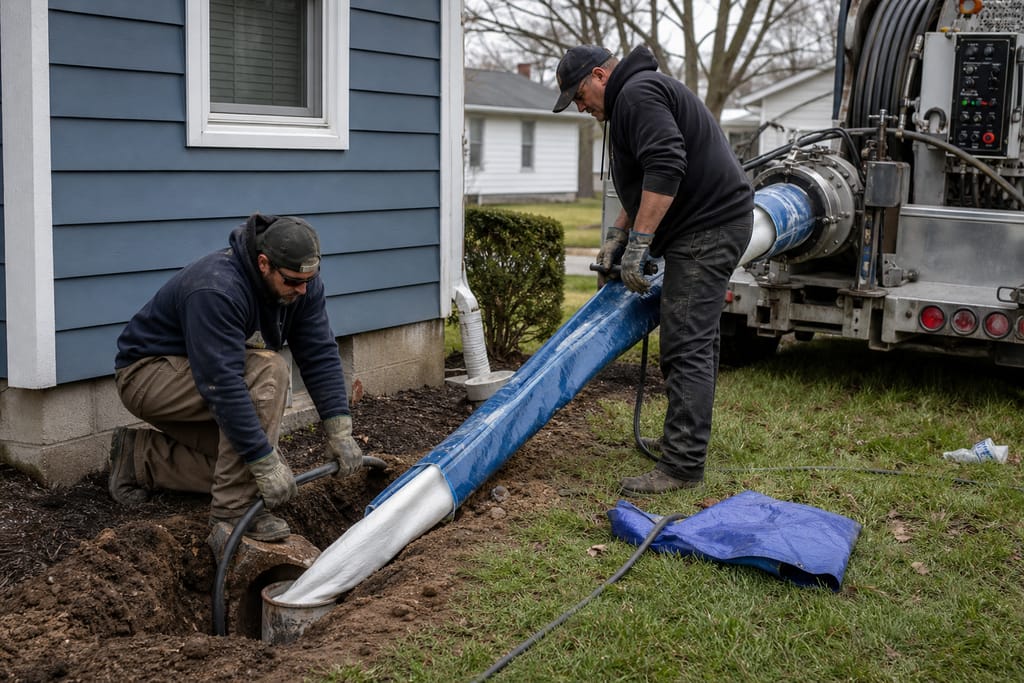 Step 4
Liner Insertion
The saturated liner is inserted into the host pipe using air or water pressure.
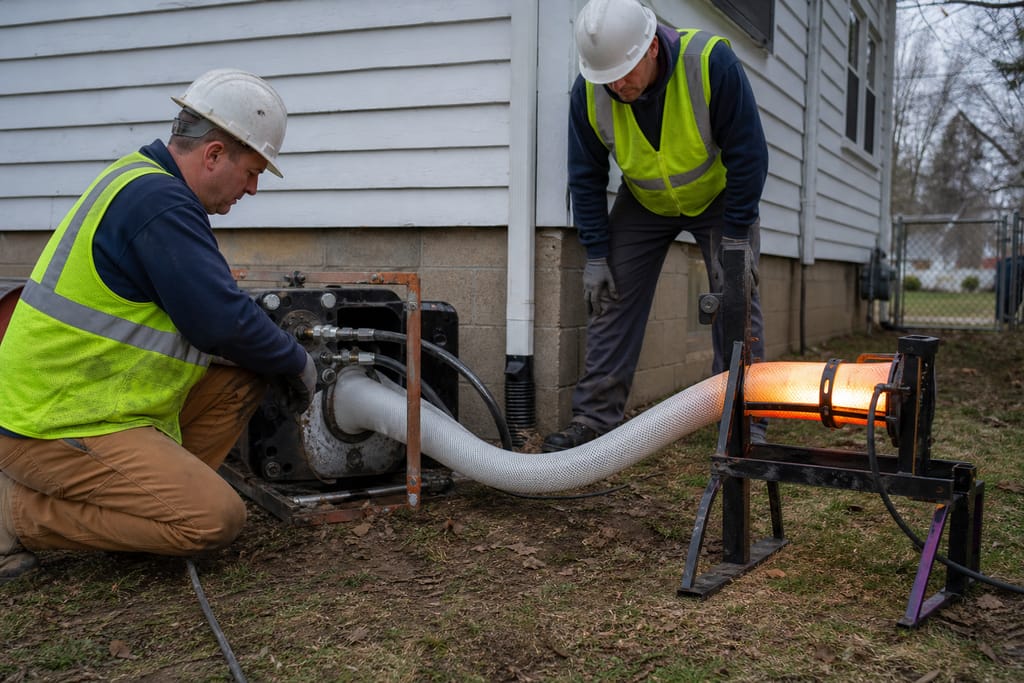 Step 5
Curing Process
Heat, UV light, or ambient curing hardens the liner into a solid new pipe wall.
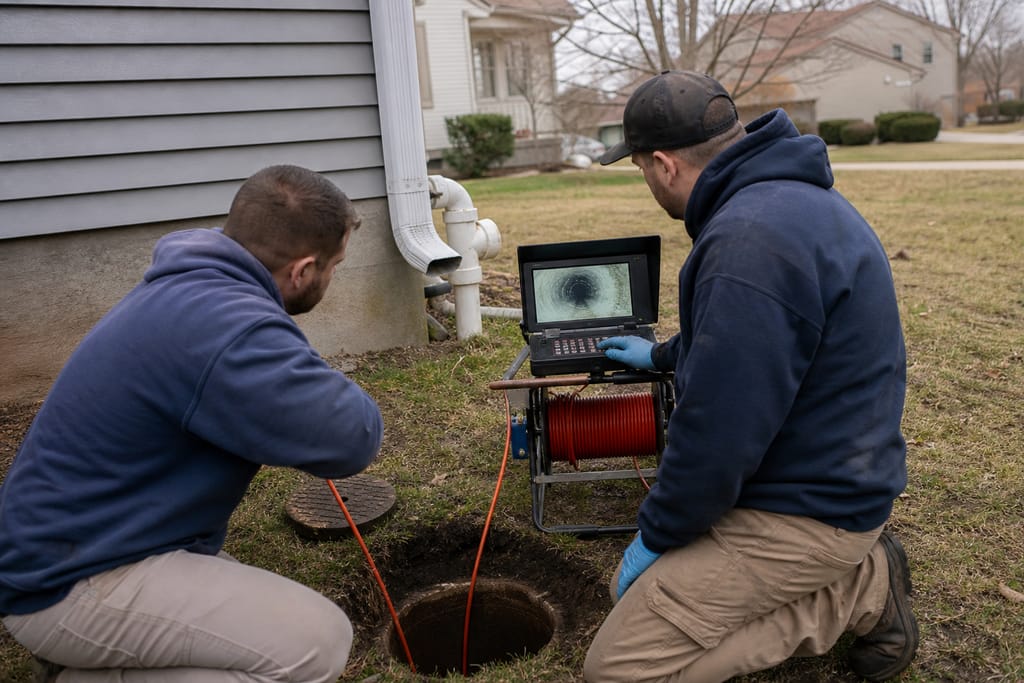 Step 6
Final Inspection
A camera inspection confirms the cured liner is smooth and properly bonded.
Codes & permits
Permits and codes for CIPP Pipe Lining
Always confirm with Clark County or the city before scheduling, requirements can shift by parcel.
| Typically needs a permit | Often no permit |
|---|---|
| Lining work that ties into or crosses the city sewer main connection | Interior lateral lining contained entirely within the private side of the line |
Need help with permits?
Get a Free EstimateMaterials
Materials and methods for CIPP Pipe Lining
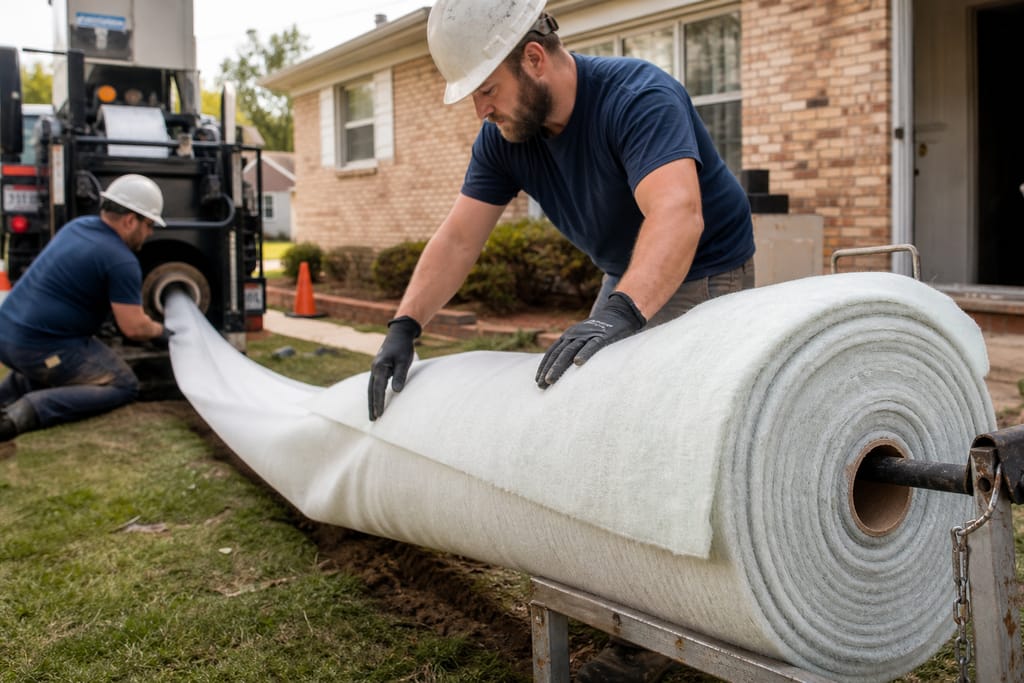
Felt Liner Tubes
Felt-based tubes form the structural base, built to hold shape inside bends common in older lateral runs.
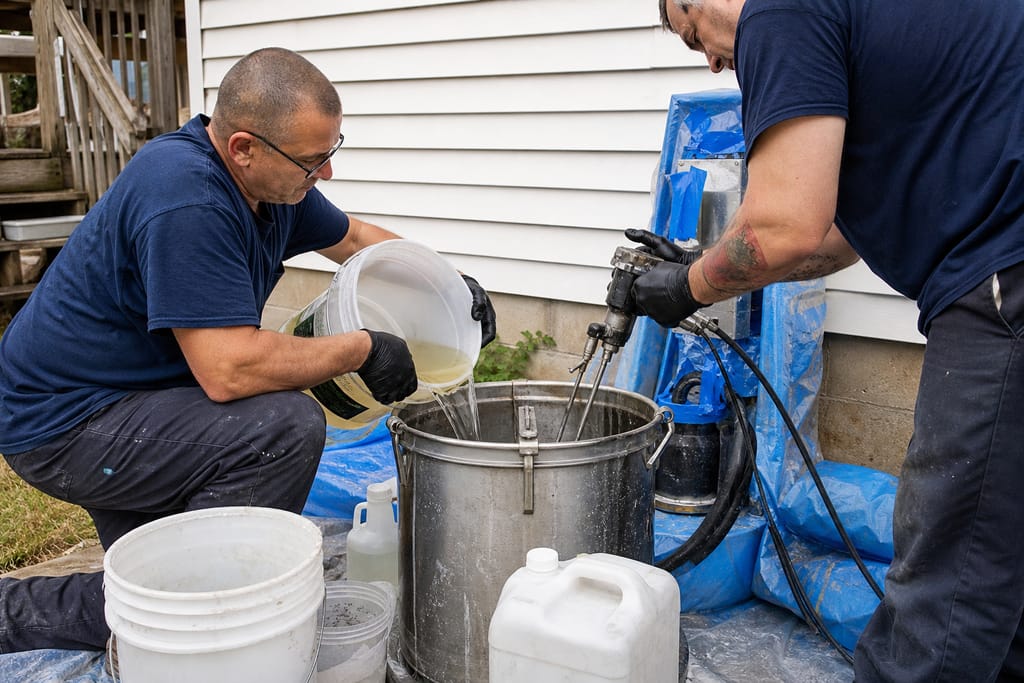
Epoxy Resin Blends
These resin formulations resist the soil chemistry and moisture typical around Springfield's creek-adjacent properties.
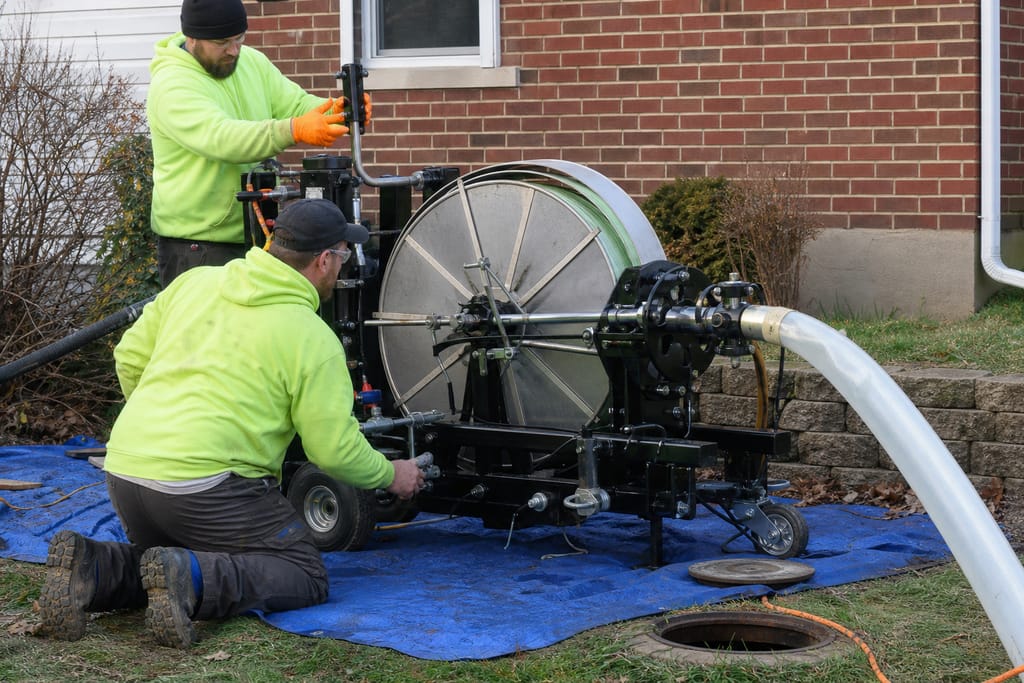
Inversion Equipment
Inversion drums turn the liner inside out during installation, no need to pull it through from the far end.
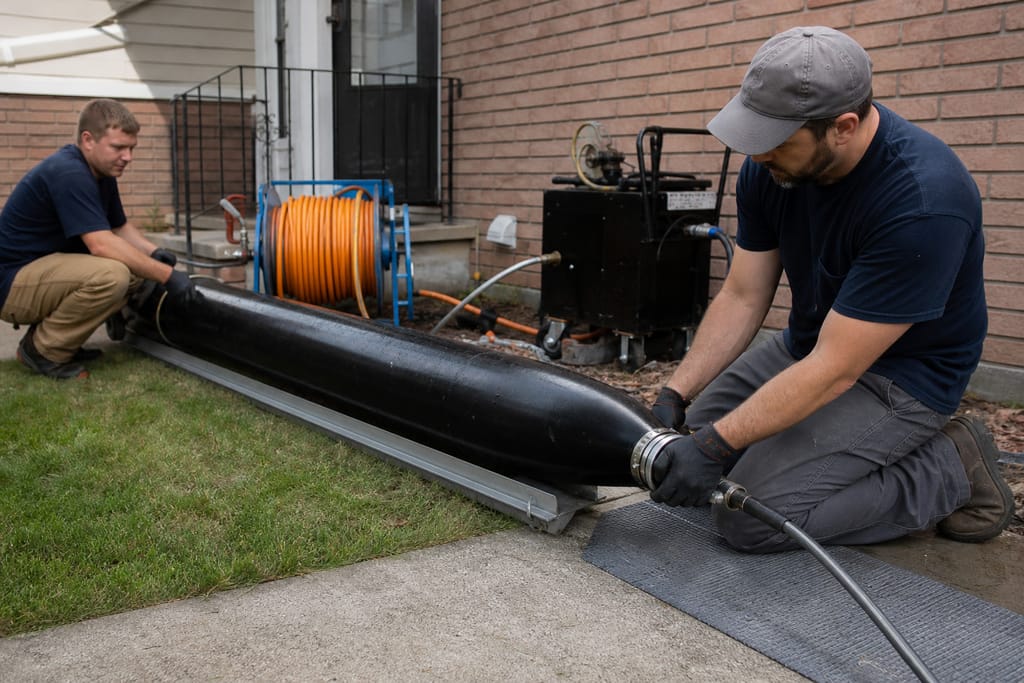
Calibration Tubes
These press the liner tight against pipe walls while curing for a snug, leak-free fit.
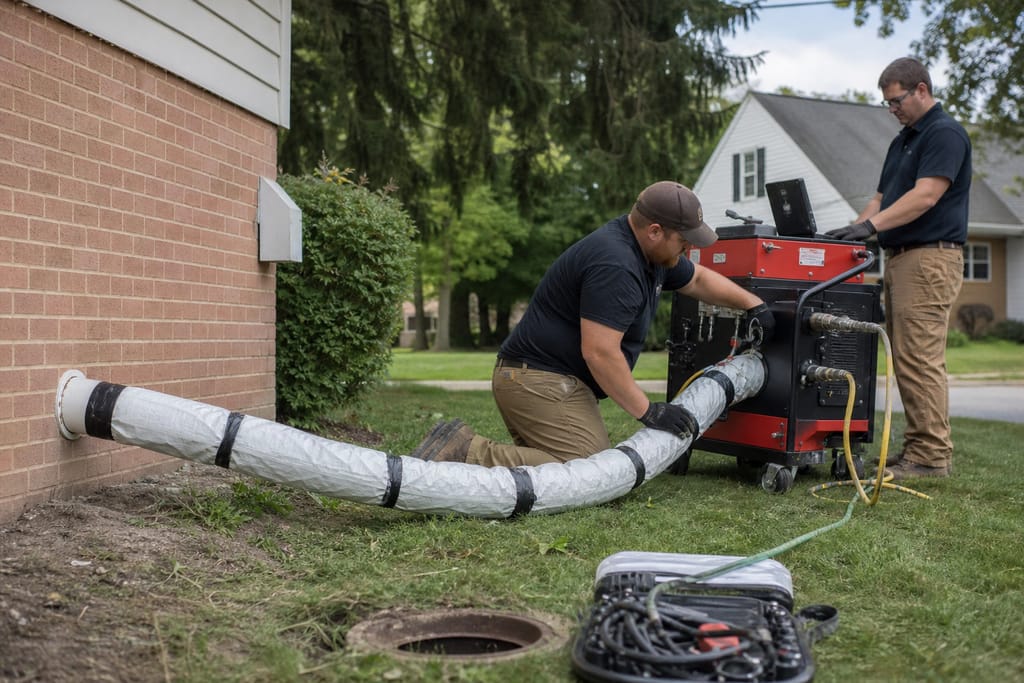
Heat Curing Units
Heat sources speed curing so most residential jobs finish in one visit.
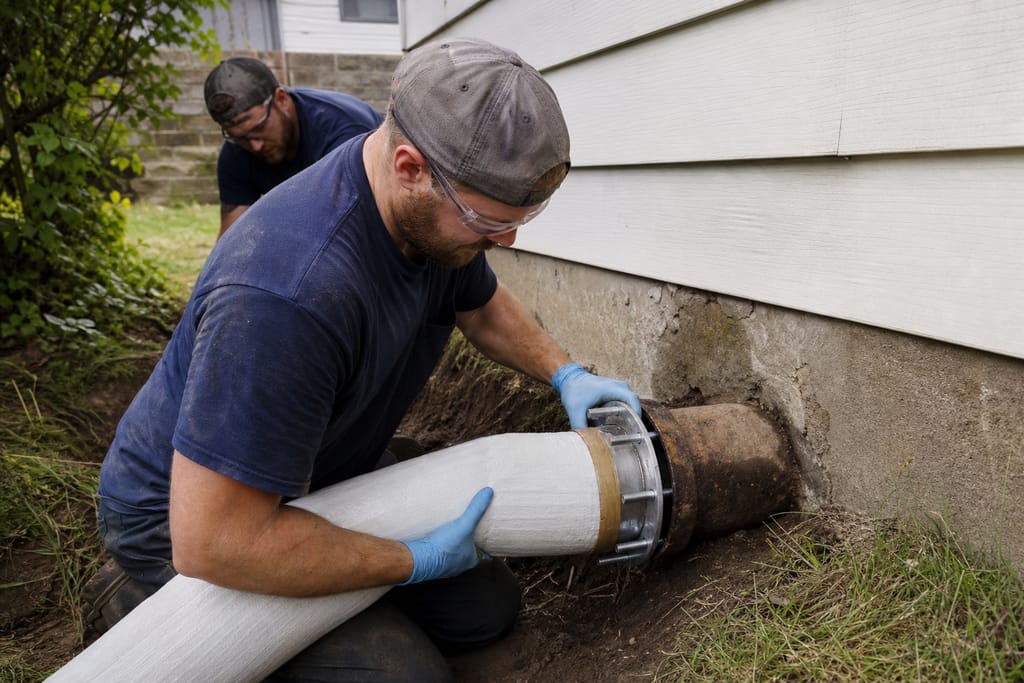
End Seal Fittings
Finishing fittings create a clean transition where the liner meets existing cleanouts or fittings.
Questions on materials?
Get a Free EstimateDIY vs pro
DIY vs hiring a pro for CIPP Pipe Lining
| DIY | Hire a pro |
|---|---|
| Snaking a minor clog before deciding lining is even needed. | Actually installing a liner, which needs calibrated cure equipment and controlled saturation ratios. |
| Running a basic camera rental if you just want a first look. | Any lining job tying into the city main connection. |
| — | Confirming the pipe shape can support a liner versus needing bursting instead. |
Not sure DIY vs pro?
Get a Free EstimateBefore & after
Before and after CIPP Pipe Lining
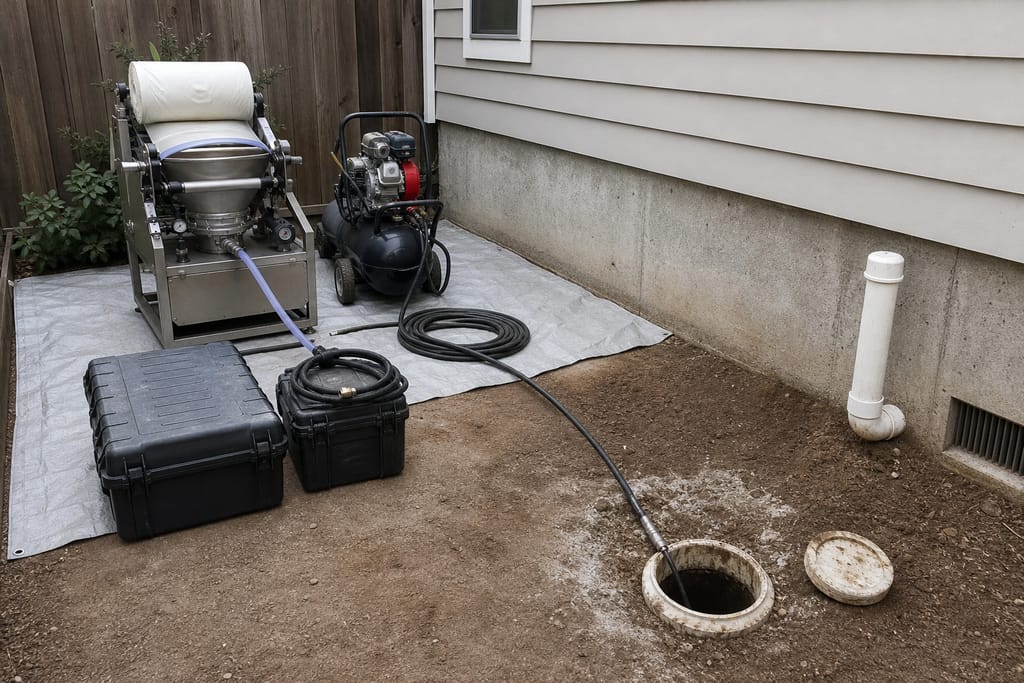
Before 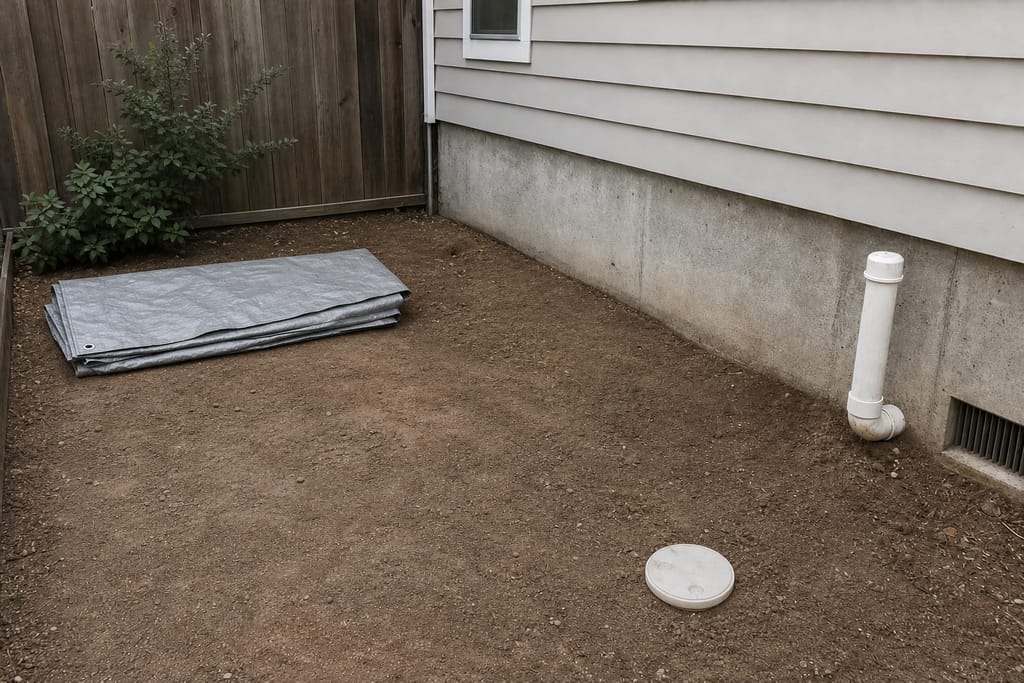
After
FAQs
CIPP Pipe Lining FAQs
What's the difference between pipe bursting and pipe lining?
Lining seals the inside of an existing pipe that's still structurally sound. Bursting fractures the old pipe and pulls a new one through, used when the pipe itself is collapsed or too damaged to line.
Will trenchless sewer repair work with old clay pipes?
Lining is actually one of the best options for clay, since the liner bonds to the inside of the pipe regardless of the host material.
How much does CIPP pipe lining cost in Springfield?
It depends on pipe length, diameter, and number of access points. We give a firm number after the camera inspection.
How long does the liner take to cure?
Most residential laterals cure within a few hours using heat or UV curing, often same-day from start to finish.
Can lining fix a pipe with a belly or sag?
Lining follows the existing shape of the pipe, so a significant belly will remain after lining. Severe sags are usually better addressed with bursting or replacement.
Next step
Get a CIPP Pipe Lining estimate in Springfield
Call (937) 504-6985 or get a free estimate. Compare it against Pipe Bursting if you're not sure which method fits, or return to Home.
More services
Other Trenchless Sewer Repair services
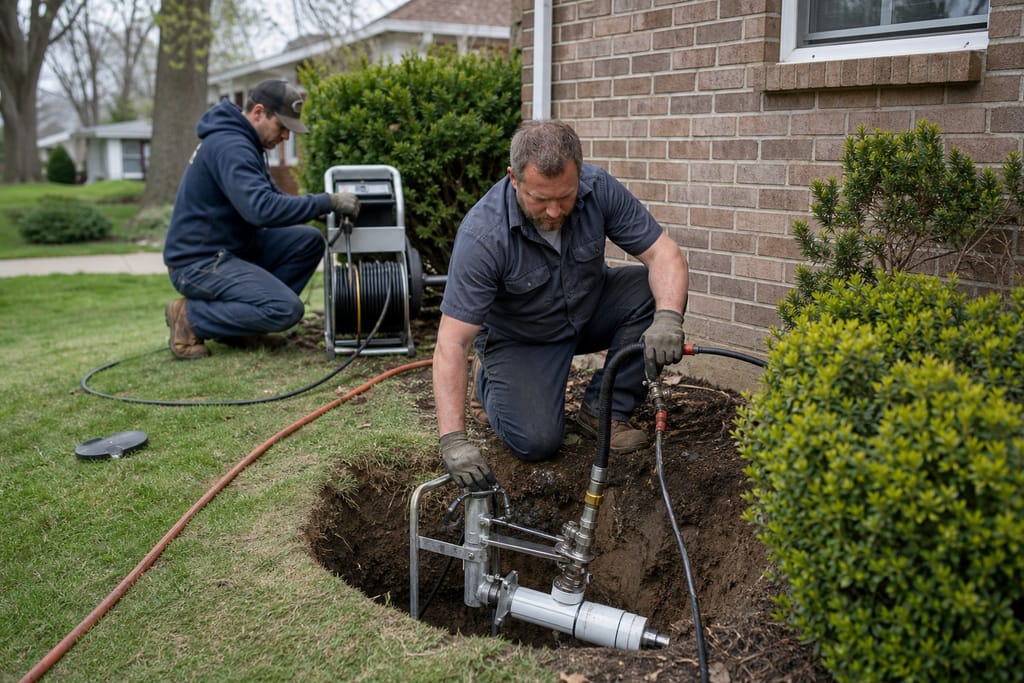
Trenchless Sewer Repair
No-dig trenchless sewer repair in Springfield, camera-verified lining and bursting with free estimates.
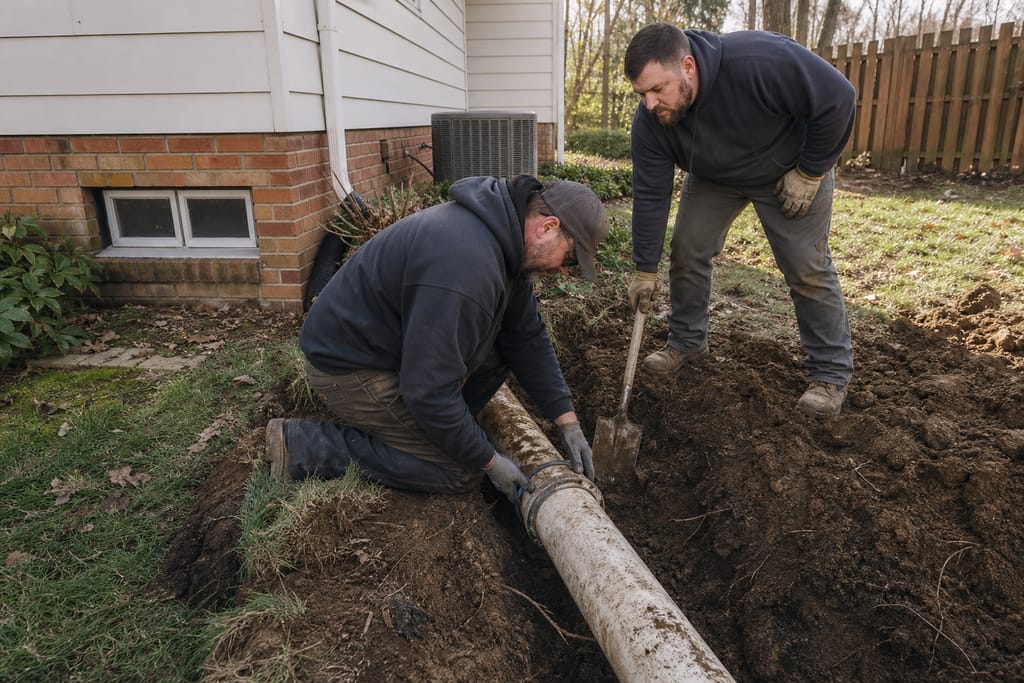
Sewer Line Repair
Sewer line repair in Springfield, OH. Camera-verified spot repairs for cracked or offset clay and cast iron laterals. Free estimates.
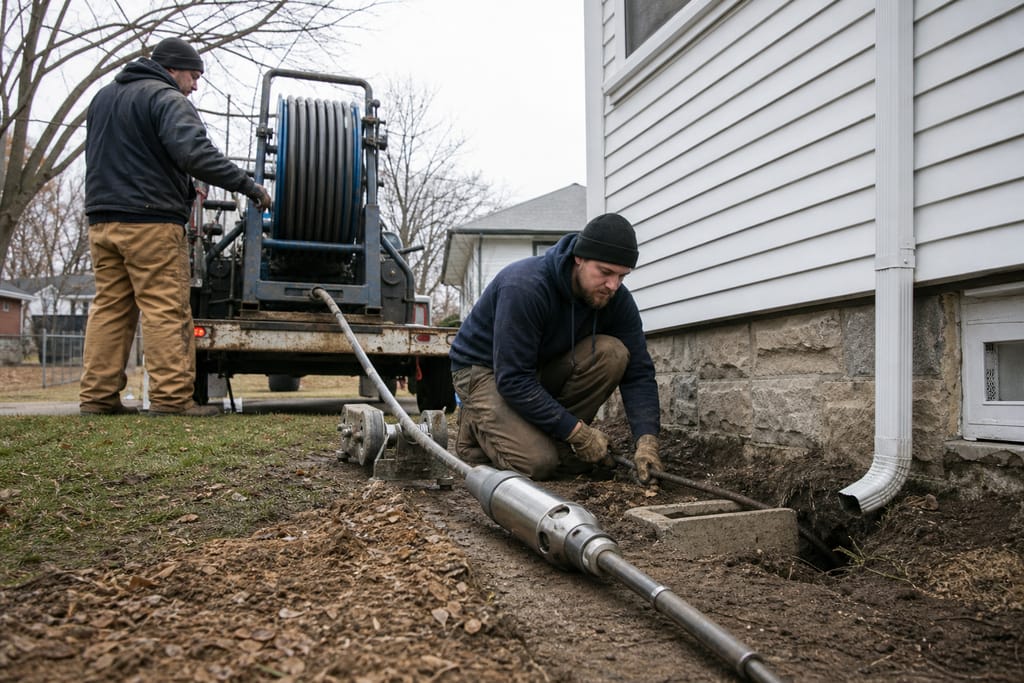
Pipe Bursting
Pipe bursting sewer repair in Springfield replaces collapsed lines through small access pits, no full-yard dig.
Ask about CIPP Pipe Lining
Tell us about the project and how to reach you.